PRC (Parkinson’s Recreational Class) GENERAL INFO
(This page is for registered students only. Please register here.)
Hi everyone,
There may be construction happening on the roads outside the studio, but you should be able still enter the parking lot. Just a heads up to maybe give yourself a few extra minutes getting there tomorrow.
See you soon!
Yurika & Franco
When: Tuesday mornings (All times below shown in Pacific Time)
Time: 9:45AM Zoom opens
10:00AM Bow-in and class starts
11:00AM Bow-out
Zoom Log in HERE.
Meeting ID: 923 6864 9563
Password: (Sent in courtesy reminder email).
Text/call Yurika if you are having trouble logging in: 707 483-8858
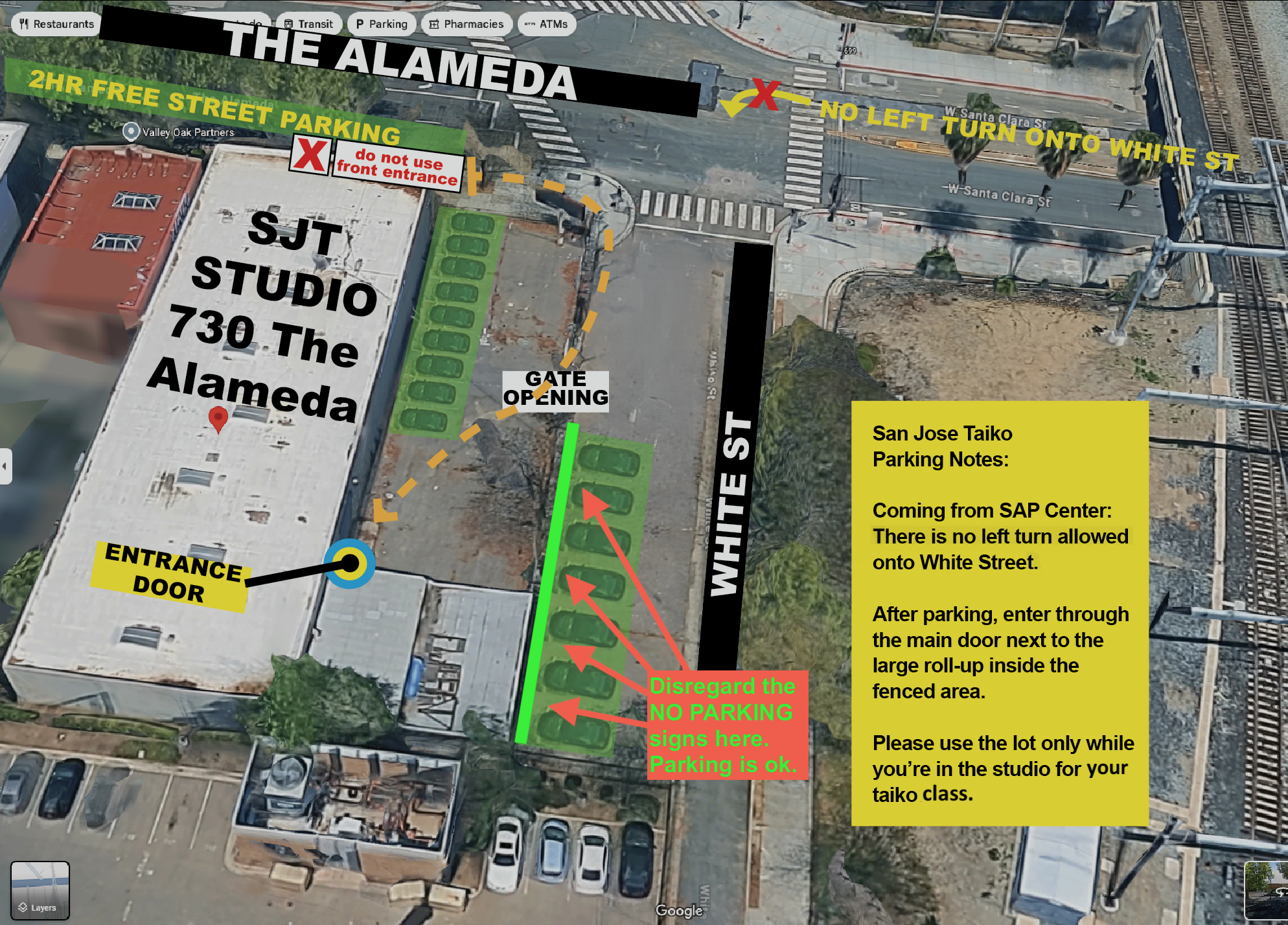
SJT Studio: 730 The Alameda, San Jose CA 95126
Studio phone: (408) 646-6951
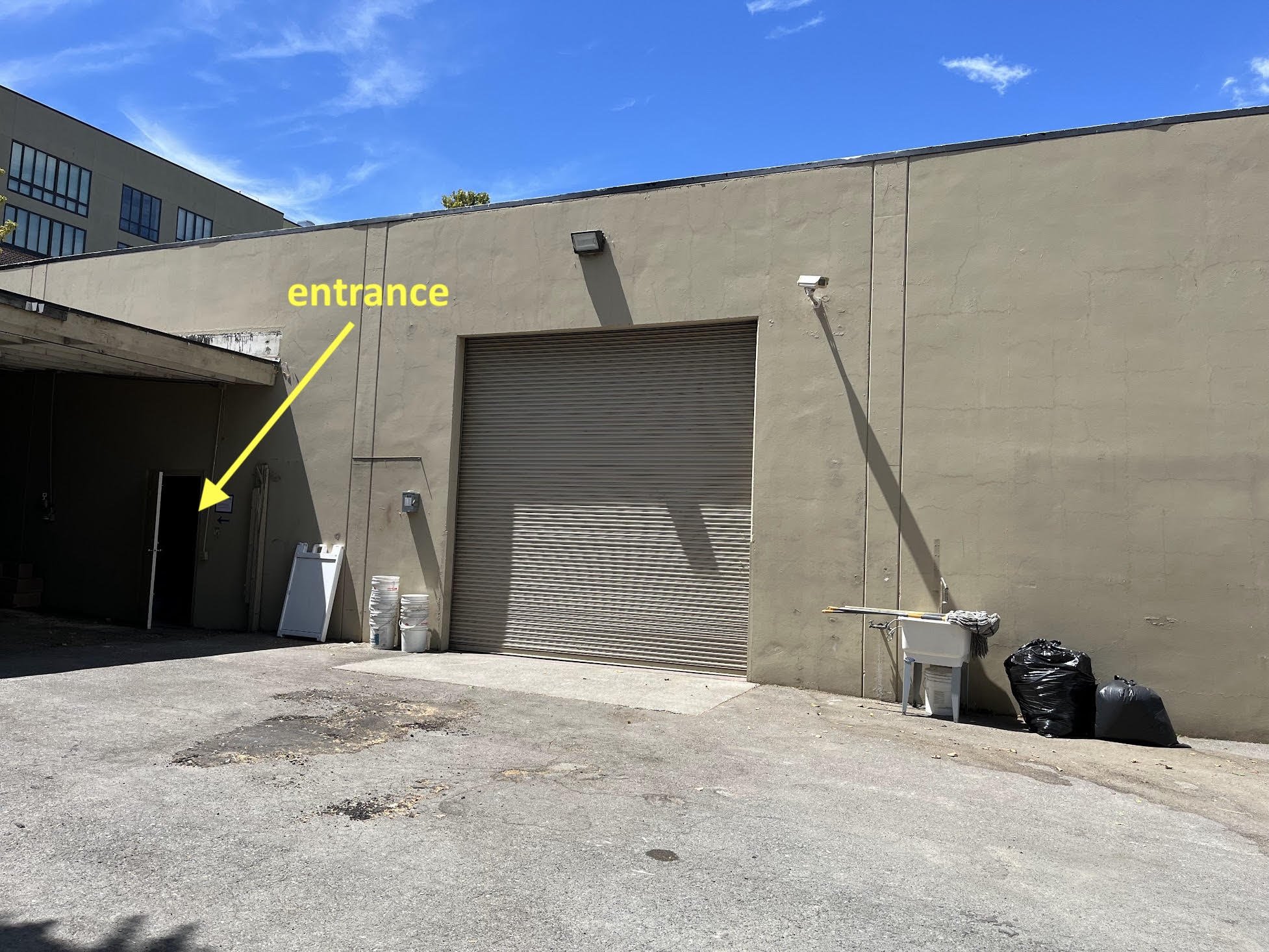
*Turn onto White Street to access the parking lot. (Interactive map)
(Please let us know in advance if you are planning to attend in-person in the studio for the first time)
CALENDAR (Subject to change)
OCTOBER
6 - In-person & Zoom
13 - In-person & Zoom
20 - In-person & Zoom
27 - In-person & Zoom
NOVEMBER (TBD)
Cost: $12/participant per class
Payment options:
Purchase a 4-class or 10-class package in advance here. It is like a virtual “punch card.” You can pay via credit card, check or cash.
If paying by cash or check, please let Yurika/Franco know. You do not have to fill out the online form.
You’ll receive a reminder from Yurika when you have used up your package.
No student will be turned away for lack of funds, no questions asked.
Bachi can be purchased and mailed if needed (ask Yurika/Franco for details)
Terms we use in class:
Yoroshiku onegai shimasu - greeting used at the beginning of class, which loosely means "It's nice to meet you, let's work together"
Otsukare same deshita - greeting used at the end of class and means "Thank you for your hard work”
Bachi - drumsticks
So-ré - “ready, go!”
Hara - your core and source of energy (Ki), located just below your belly button
GaZuut! - a made up SJT word that refers to letting go of all tension, whether physical or mental
4 Principles of San Jose Taiko:
Kata (form) - What you see, how we stand at the drum and hold our arms
Ki (energy) - What you feel, the energy we share with each other and the audience. Also includes kiai which are the shouts you hear, no meanings but used to share energy or keep time
Musical technique - What you hear, or how we strike the drum; how fast or slow. loud or softly we play
Attitude - What you think, how you approach the art form of taiko. We want to keep a beginner's mind when playing, so you can always learn something new regardless of how long you've been playing. Also keep in mind we will all make mistakes and there's no need to be too hard on yourself.
Taiko Sounds (kuchishoka aka 'mouth song’):
Don / Do-Ro (or do-go or do-ko) = loud sounds played on the center of the drum head
Tsu / tsu-ku = quiet sounds on the center of the drum head
Ka / Ka-Ra = played on the edge of the drum at 10 o'clock and 2 o'clock using the first 1-2" of your bachi
SU! = rest, throw your hands up in the air
At any time, feel free to email yurikachiba.taiko (at) gmail.com for questions, suggestions or to remove yourself from this list.